Articles - Latest and archive
Articles to inform, alert and inspire
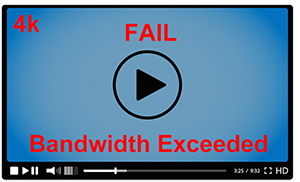 The bandwidth of 4K webcams won't allow them to live stream at 4K for meetings using Skype, Zoom or Teams.
So what is the answer ?
- Don't waste your money on 4K for streaming !
- you must reduce camera resolution from 4k to 1080p to make them work online
- but the frame rate (fps) may then be only 30 fps with very slow spedd tracking
- use a 1080p 60 fps camera at a much lower cost that really works with track and frame.
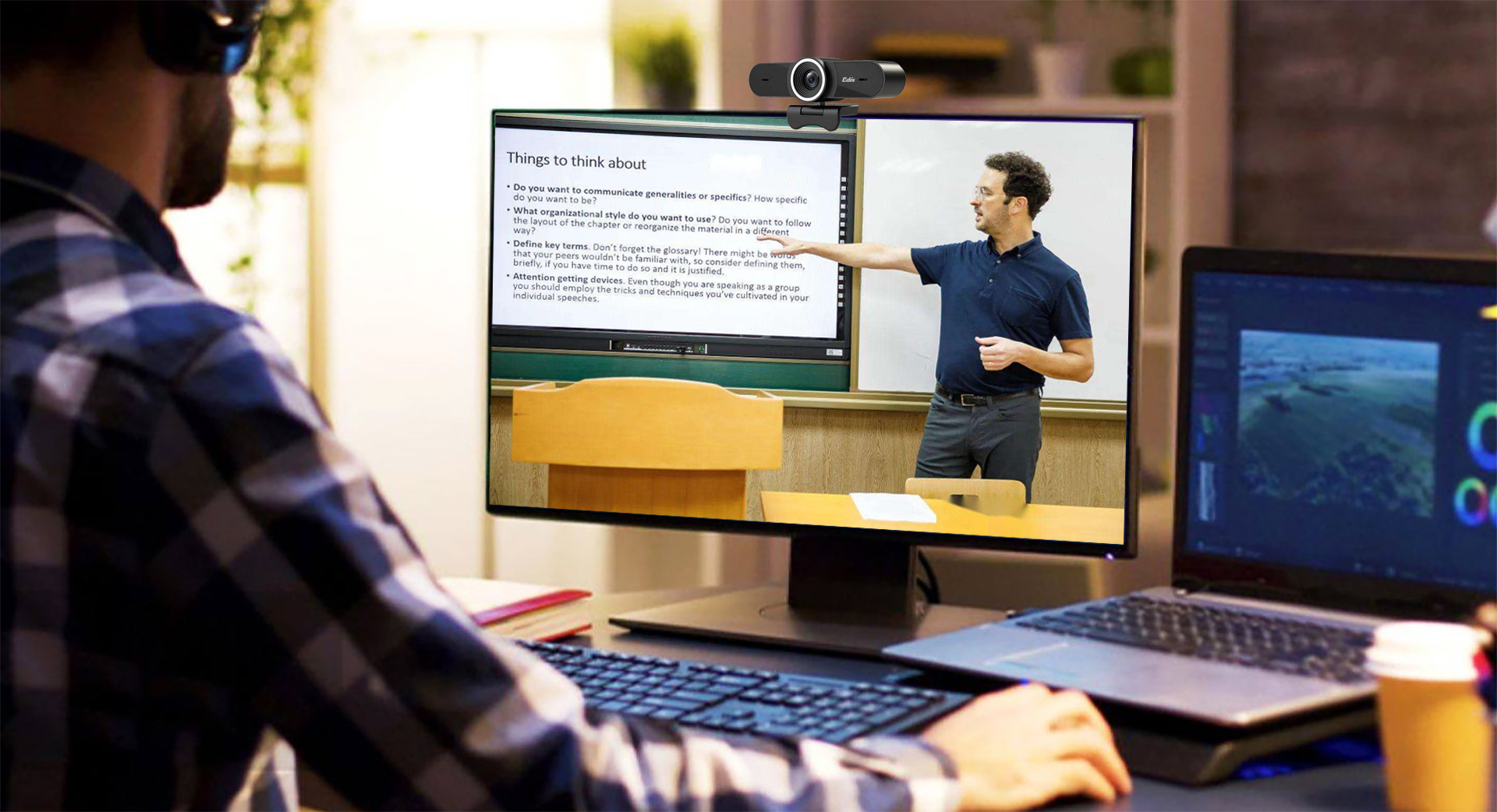
An Edis EC175 1080p 60fps Track and Frame AI hand gesture controlled Webcam is designed for classroom use and creates the very best streamed video at a fraction of the cost of 4k alternatives.
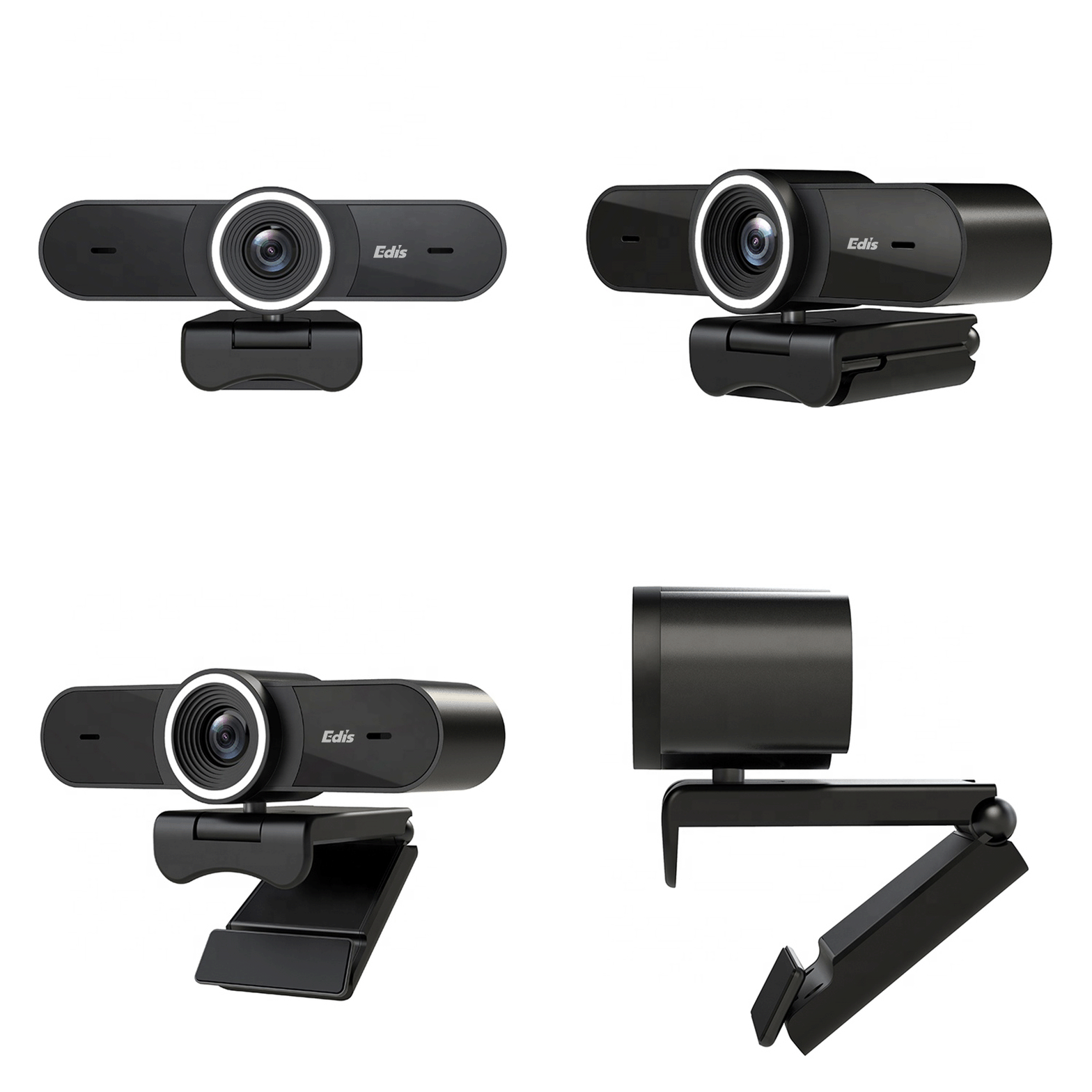
Add a powerful, intelligent webcam to your remote home, classroom or conference room, that follows and reframes your movement around the room.
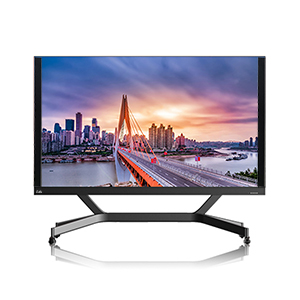 Whether at University, college or secondaty school level, digital displays are the new norm for education. The great news is that LED displays are far less expensive than they used to be, making budget constraints less of a concern. LED screens are also extremely durable and able to withstand minor impacts that can occur.
In addition to classroom use, you can use LED school signs anywhere on your campus or school site. Designs can be waterproof allowing installation outside. You can then display important announcements and event details. The digital component also allows you to change the message as needed. Outdoor LED signs for schools are a great way to convey information to your students or other visitors.
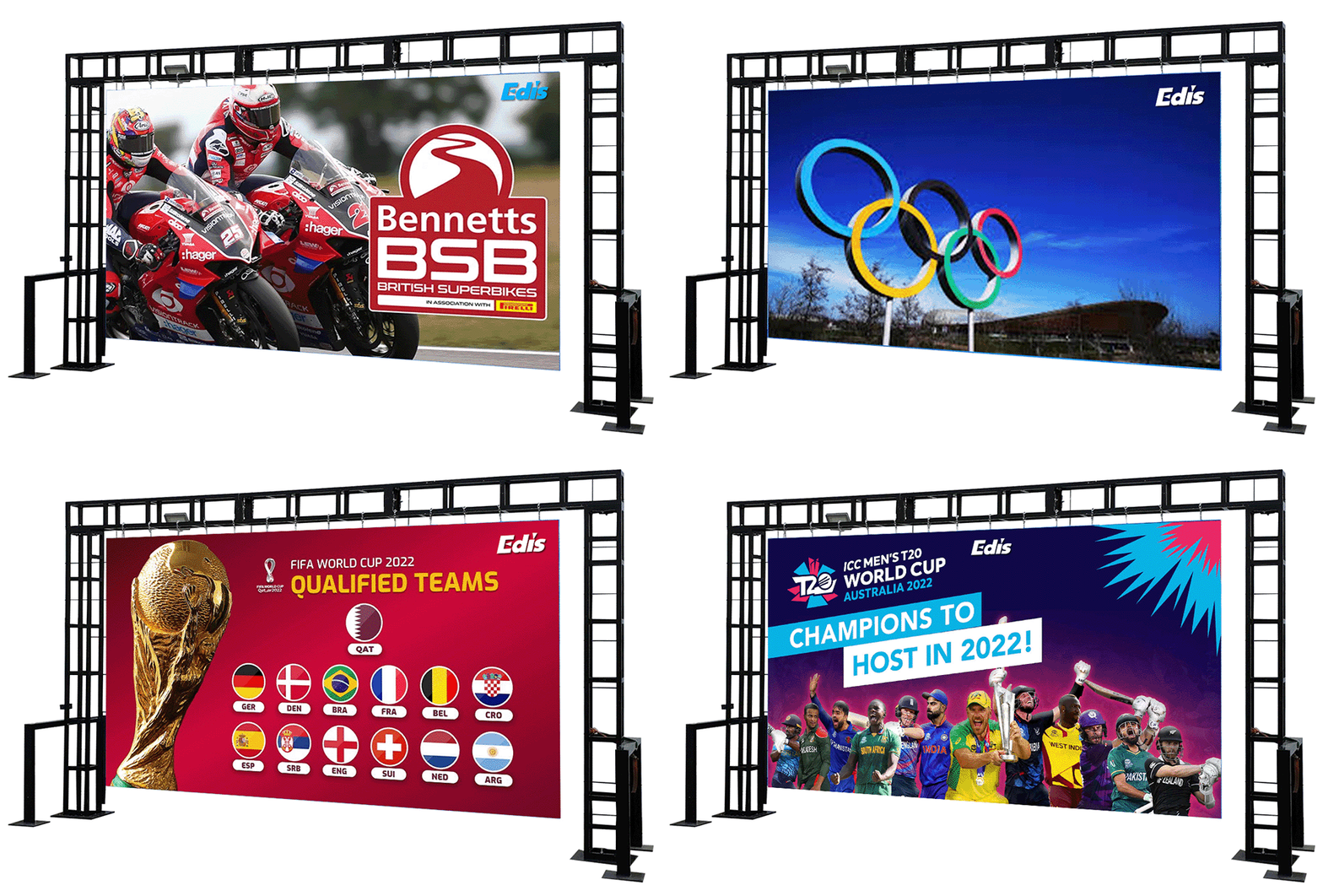
Investing in or renting (for special occasions) can also increase student engagement, create promotional opportunities for your organization, and may even provide an additional source of revenue.
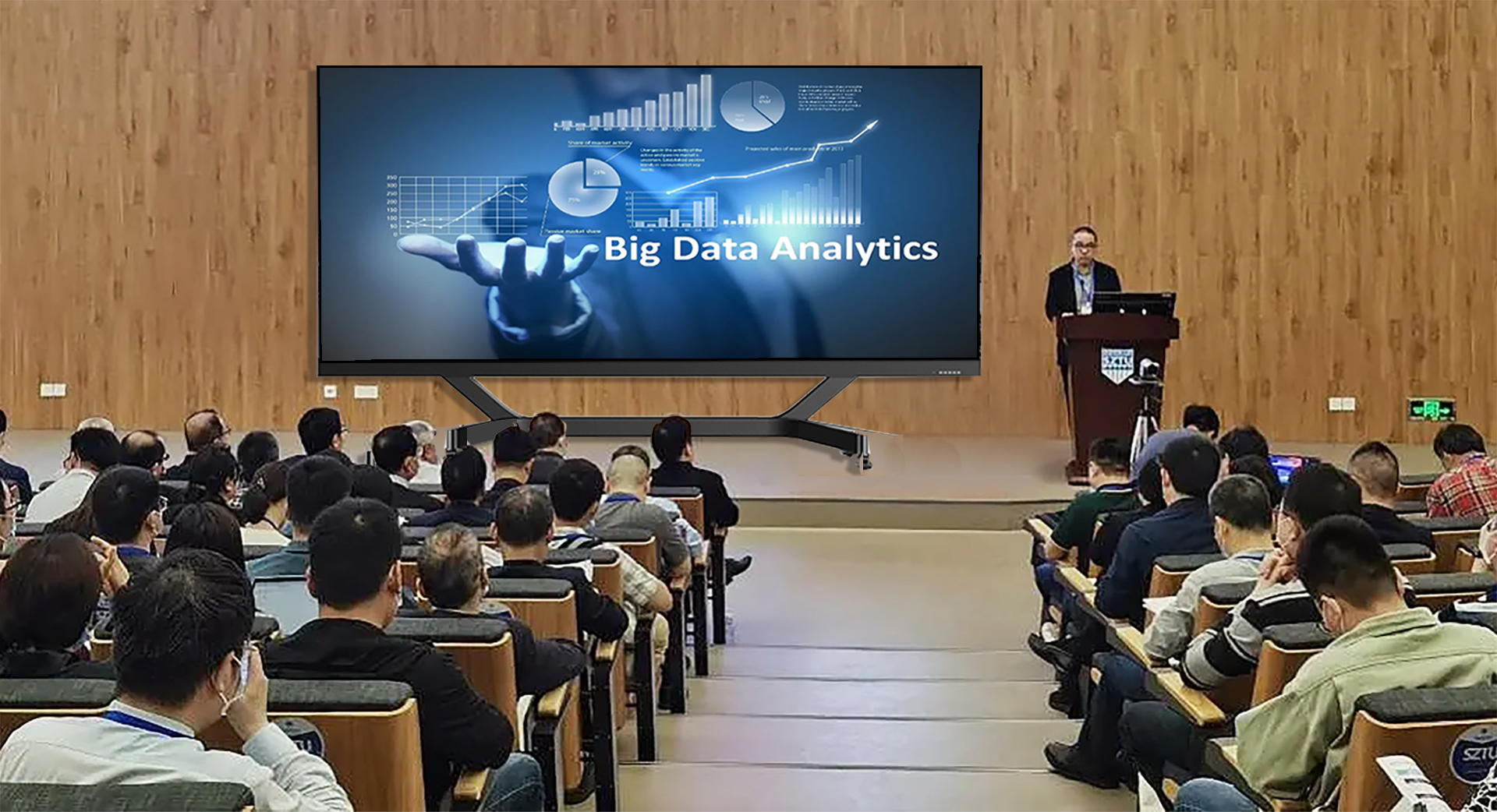
Say goodbye to old classroom projectors and update your academic facility with LED digital displays for schools. High-resolution indoor and outdoor, fixed or mobile video panels are now the best choices you can make.
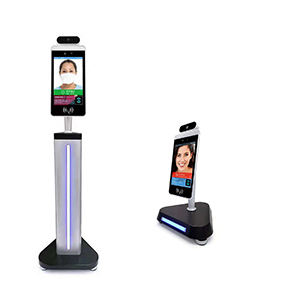 You can monitor visitors entering your building with facial recognition and body temperature monitoring with alarm to identify those with high temperature and fever
The Face Recognition Temperature Monitor targets key locations on the face to get the closest indicator of body temperature possible. A temperature of over 100.4 °F (38 °C) indicates a fever, a key symptom of COVID-19. The camera pairs thermal cameras with facial recognition software and personnel directories to identify infected personnel.
Widely used in gate channel and access control attendance, such as Entrance and Exit of Office, Schools, Industry, Railway Stations, Hotels, Stores, Supermarkets, Security Departments and other Crowded Areas to achieve safe and efficient access control of personnel and visitors, so you clearly know that you are in a safe environment.
Avalable as desk, wall or stand mounted with or without a hand sanitiser it can also be used to control entrances with remote WiFi door or gate opening devices.
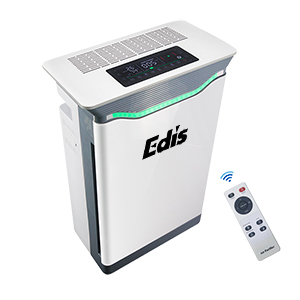
They look like high-tech smart speakers or designer coffee tables and come with grand claims they can purge rooms of harmful pollutants, allergens, bacteria, fungal spores and even the Covid virus.
Air purifiers – which suck in a room's air and filter it before pumping it back out – are must-haves for health-conscious consumers, it seems. A survey from the Government's Office for Product Safety and Standards found one in 12 Britons owned one.
By CAMERON HENDERSON FOR THE MAIL ON SUNDAY - PUBLISHED: 23:53, 14 May 2022 | UPDATED: 23:54, 14 May 2022
Many said they made the purchase – often costing hundreds of pounds – due to concerns about air pollution and, of course, Covid. So it's not hard to see the appeal.
Mounting evidence links poor air quality to chronic illness. Exposure to pollution raises the risk of dementia, heart disease and lung conditions such as asthma, as well as causing pregnancy problems and damage to unborn children.
Emissions curbs on traffic, agriculture and industry have had an impact, with outdoor air pollution levels improving over the past decade. Despite this, in April, Imperial College London researchers found that roughly 97 per cent of UK homes are in areas that suffer from air pollution above limits set by the World Health Organisation.
And, more worryingly, indoor air quality can be much worse than the air outside. Along with fumes that drift in from the street, gases and compounds are released by stoves, ovens, boilers and cleaning products, and even emitted by new furniture.
The environmental push to better insulate homes could compound problems – airtight, draught-proof rooms may be more fuel efficient but they also seal in toxins.
And then along came Covid. Initially it was believed the infection spread via close contact or through contaminated surfaces. However, it is now known that transmission is mainly airborne – the virus floats in the air around us, like invisible smoke. Could an air purifier offer a simple – if pricy – solution to both problems?
The answer, according to Alastair Lewis, Professor of Atmospheric Chemistry at University of York, is yes – as long as you choose the right one.
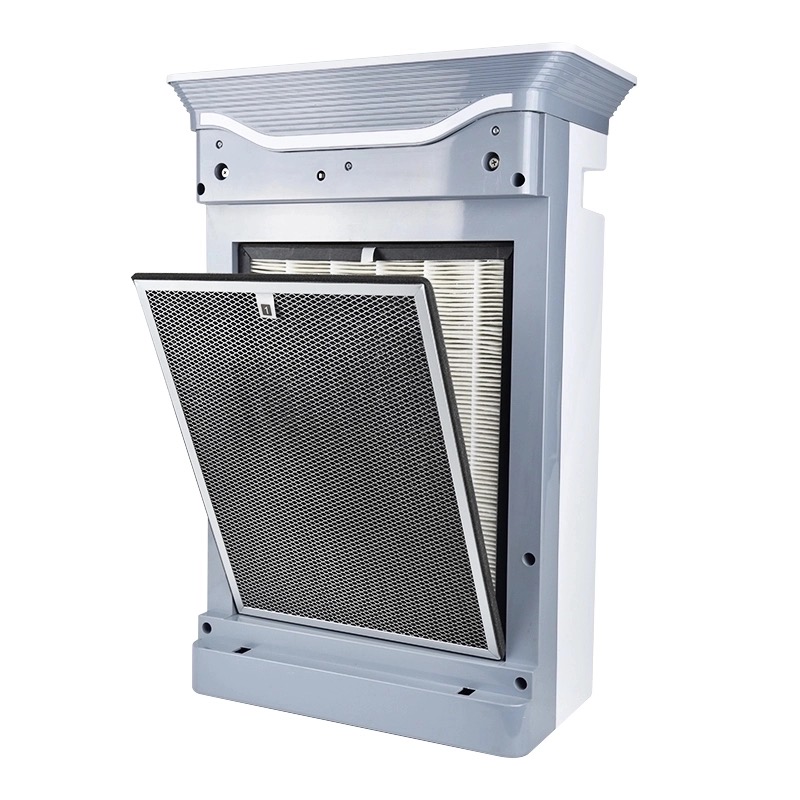 One of the main causes for concern in terms of air pollution are solid particles known as particulate matter, or PM. These are graded by size in microns.
For example, those rated PM10 – ten microns in diameter – are coarse, larger particles such as dust, mould and pollen that can irritate the eyes and throat. A human hair is roughly 50 microns in diameter, so PM10 is a fifth of this in size and in a high concentration these may be visible.
It's a fact
Air pollution is thought to be behind up to 40,000 deaths each year in the UK alone.
Particles rated PM2.5 – sometimes referred to as fine particles – are small and more harmful as they can reach deep into the lungs. These are let off by cooking, heating systems, burning candles and air fresheners, to name just a few common sources in the home.
Prof Lewis says: 'Larger particles can cause irritation and coughing but smaller ones are more insidious and can penetrate further into the lungs. As we breathe them in they can trigger conditions such as asthma and other breathing difficulties. They also build up over years of exposure and can cause heart and lung diseases.'
He suggests choosing an air purifier that contains a high-efficiency particulate air (HEPA) filter – which most do – as these are proven to mop up PM10 and PM2.5.
Air purifiers work by pushing air through multiple layers of fine weave fibreglass or polypropylene, a type of plastic, which traps the harmful particles.
'HEPA filters have a good track record,' says Prof Lewis. 'They work by physically trapping particles – a bit like coffee grounds in a coffee filter.'
Gasses are another component of outdoor and indoor air pollution, and getting rid of these presents more of a challenge. 'Molecules in gasses are smaller, and can pass through HEPA filters – just like the water and flavour makes it through the coffee filter,' explains Prof Lewis.
Air purifier manufacturers have addressed this and the latest devices include tech, such as activated carbon filters – made from a porous and absorbent material derived from charcoal – aimed at mopping up these toxins.
'With these newer types we have to take manufacturers at their word,' says Prof Lewis. 'They'll have carried out testing in labs, but how devices perform in the real world can differ.'
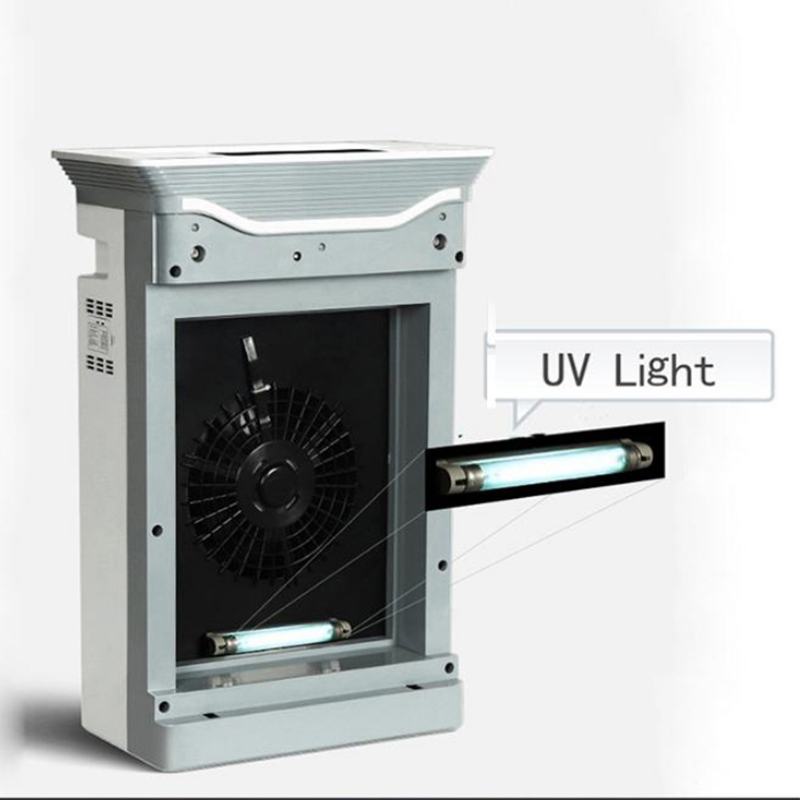 So what of the health benefits? A 2003 US study of 30 asthmatic adults who share a home with cats or dogs found running an air purifier in the living room and bedroom improved asthma symptoms for two-thirds of participants.
Other trials found linked air purifier use with better sleep, lower blood pressure and improved lung function. And could they prevent Covid transmission?
Research by Addenbrooke's Hospital in Cambridge found that using portable air purifiers on wards swamped with Covid patients removed almost all traces of the virus from the air, reducing the risk of transmission.
Leeds University is carrying out a trial to see whether purifiers could be effective in schools for reducing Covid infections. Prof Mark Mon-Williams, the project leader, told The Mail on Sunday that air purifiers 'are effective in removing viral particles from the air, so we can be confident the systems will reduce Covid-19 virus circulation within the classroom'.
Prof Lewis says: 'If you have a respiratory condition such as asthma, or if you're sensitive to allergens, you might notice an immediate improvement in your symptoms through using an air purifier.'
However, he adds: 'Most of us don't notice differences in air quality straight away. The effects of poor air quality are subtle and build up over years to cause more serious conditions.'
Most purifiers are designed to be left on and contain sensors that monitor the air continually, turning the power up and down automatically as and when needed.
Prof Lewis says: 'If you're a hairdresser working with chemicals, then it might be running on full blast 12 hours a day. But the average person will find it's only on for half an hour or so while they're cooking or cleaning. If pollen is your worry, you'll need the purifier when the pollen count is high.'
 Will virtual reality 'field trips' become the norm in schools? Teachers say the technology can improve grades and grab students' attention in the 'iPhone generation'
On a February afternoon in a Brooklyn classroom, 16-year-old Taylor Engler came face to face with a cow.
But it was all in her head.
A virtual reality headset had transported the Berkeley Carroll School junior and eight classmates to an upstate New York farm 250 miles (402 kilometers) away.
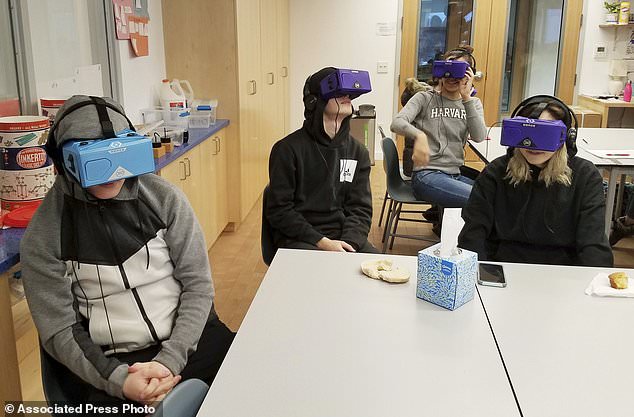 For students, the technology means field trips are no longer limited by the length of a bus ride.
'I was not expecting it to be right in my face!' Taylor said after peeling off the purple headset and finding herself back in the confines of her city classroom.
On any given day, students nationwide are deep-sea diving, observing medical operations, even swimming through the human circulatory system using gadgets that are becoming increasingly accessible in both cost and content.
At the least, teachers say, it's another way to engage the iPhone generation of students.
At best, it can enhance their understanding and improve their grades.
'It instantly grabs the students,' said Colin Jones, who teaches science in the Plainview-Old Bethpage Central School District.
He has used a system called zSpace to dissect cells and has walked goggled students through the boreal forest with a Google app called Expeditions.
'It's something that can be done in a period or two,' he said, 'when it could take even a week sometimes when you're doing a lab.'
In Brooklyn, Engler and classmates virtually walked through barns and fields in Watkins Glen, stretching arms toward videotaped pigs and cows only they saw.
It was an 'outing' that otherwise would not have happened, adviser Lily Adler said, given the constraints of time and staffing.
'It's different than watching video because you can have more than one perspective; you can actually move,' Taylor said during the lesson by animal rights group Farm Sanctuary.
Not only move, but also feel, said Richard Lamb, who at the University at Buffalo Neurocognition Science Lab studies how the brain processes information.
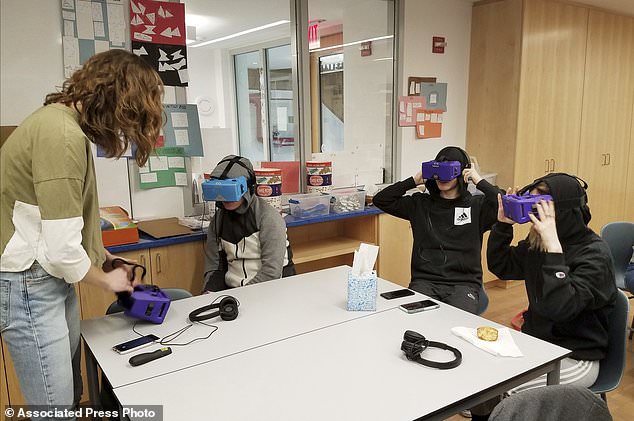 In the lab, the physical effects of virtual reality become clear as subjects standing on solid ground teeter on stories-high virtual scaffolding or experience motion sickness without moving.
'Some of the research we're doing has actually shown that what you experience in virtual reality has very similar, if not the same, physiological responses that you would get if you were doing the actual activity,' Lamb said.
'Heart rate, cognition, breathing, everything.'
The effect on learning, he said, is to improve interest, understanding and recall.
It's unknown how many classrooms have or will adopt the technology, but experts say it's still relatively rare.
While individual headsets that require a user's phone can cost as little as $20 or $30, systems and software for classes run into the thousands of dollars.
Early complaints about a lack of good software are fading as more companies enter the market, but the rules for use haven't necessarily caught up to the technology.
In New York, for example, simulated lab experiments don't count toward the state's hands-on lab time requirements.
Even so, experts say, the sciences are an area where virtual reality, especially enhanced to let users manipulate their surroundings, holds particular promise for classrooms.
'The biggest hindrance, I think, is going to be the quality of that experience, how closely it mimics the physical world,' said David Evans, executive director of the National Science Teachers Association.
But, he said, 'the ability to do dangerous things, the ability to run many, many more cases in a simulation space as opposed to the real physical space represents a huge learning opportunity.'
Lamb, who taught chemistry, agreed.
'Too often in schools, when we do things with laboratories, it's ... you mix this together, you mix that together and you get this outcome.
And if you don't get that outcome, you did something wrong, but we don't have enough resources for you to redo it,' he said.
In virtual reality, 'all I do is hit reset on the computer. I don't have to actually use chemicals.'
Both Lamb and Evans stressed using the technology to enrich - not replace - real-world experiences, where any number of subtle factors can affect an outcome.
'We have to remain anchored in the actual world,' Evans cautioned, 'because that's the one that we really need to explain.'
Check out the Edis AV VR box for schools a low cost high quality Virtual Reality headset here !